December 4, 2025
Today 2082-08-18 Printed Nepali Driving License Name List
Here’s an overview of the smart-card driving licence system in Nepal (as of recent years) — what it is, how it works, what’s good and what problems remain. If you like, I can check specifically for what’s the local status.
✅ What is Nepal’s Smart-Card Driving Licence
- The smart-card licence was introduced by the Department of Transport Management (DoTM) to replace the older paper/laminated licenses with a more secure, machine-readable format.
- The card looks like a PVC/plastic card (similar to ATM/identity cards) and contains an embedded microchip that stores various data: licence-holder’s name, photo, signature, licence number and categories (type of vehicles permitted), issue/expiry dates, and — if provided — biometric or additional data.
- It is supposed to be machine-readable (via a chip or QR/barcode), allowing instant verification by authorities — reducing risk of forgery compared to older licenses.
📝 How to Get a Smart-Card Licence in Nepal
Here’s the typical process:
- You apply (online or at DoTM / regional transport office) and submit required documents (citizenship, photo, etc.).
- You take required exams: a written (theory) exam and a practical (trial) test.
- Once you pass, DoTM approves your licence, and your data is sent for printing.
- The smart-card is printed (at central or regional printing centres), encoded with your information, and later distributed. Often you get a notification (SMS or via website) when it’s ready.
- In the meantime, after passing tests and paying fees, you receive a temporary driving slip which allows you to legally drive until your card arrives.
📅 Validity, Renewal & Official Features
- Under recent amendments, a smart-card licence’s validity has been extended from 5 years to 10 years.
- The smart licence system was rolled out starting 2015 by DoTm.
- The card aims to securely store all relevant details — identity, licence category, issue/expiry — and, potentially, driving history or records (though practical implementation may vary).
⚠️ Challenges & Realities: What Users Report
- Even though smart licences were introduced in 2015, the transition hasn’t been fully smooth: there have been delays and backlog in printing and distribution. Many applicants reportedly wait months or more to receive their smart card.
- A key problem: though smart cards have embedded chips, many traffic police offices reportedly lack hand-held card readers, meaning they often cannot verify the licence electronically — defeating part of the purpose of “smart.”
- For those who pass the licence test, there can be significant wait times before the printed card is ready and delivered.
- Some media/online sources suggest the full “digital licence + universal smart-card use” — for example, integrating with a national app — has been proposed.
📲 Digital Licence & Future Direction
- There has been talk of integrating driving licences into the Nagarik App, allowing drivers to show their licence digitally from their smartphone instead of carrying the physical card.
- This digital-licence idea aims to reduce dependence on physical cards — useful especially when delays or backlog in printing or distribution occur.
🔎 What This Means for You (in Pokhara / Anywhere in Nepal)
- If you apply now (or in recent years) you will likely get the smart-card type licence — not the old paper/laminated license.
- Expect that there may be some wait time for the card printing and delivery (depending on how busy the system is).
- Even though the licence is “smart,” enforcement and verification on the road may still rely on older methods (visual check) — because some traffic offices lack card-reader devices.
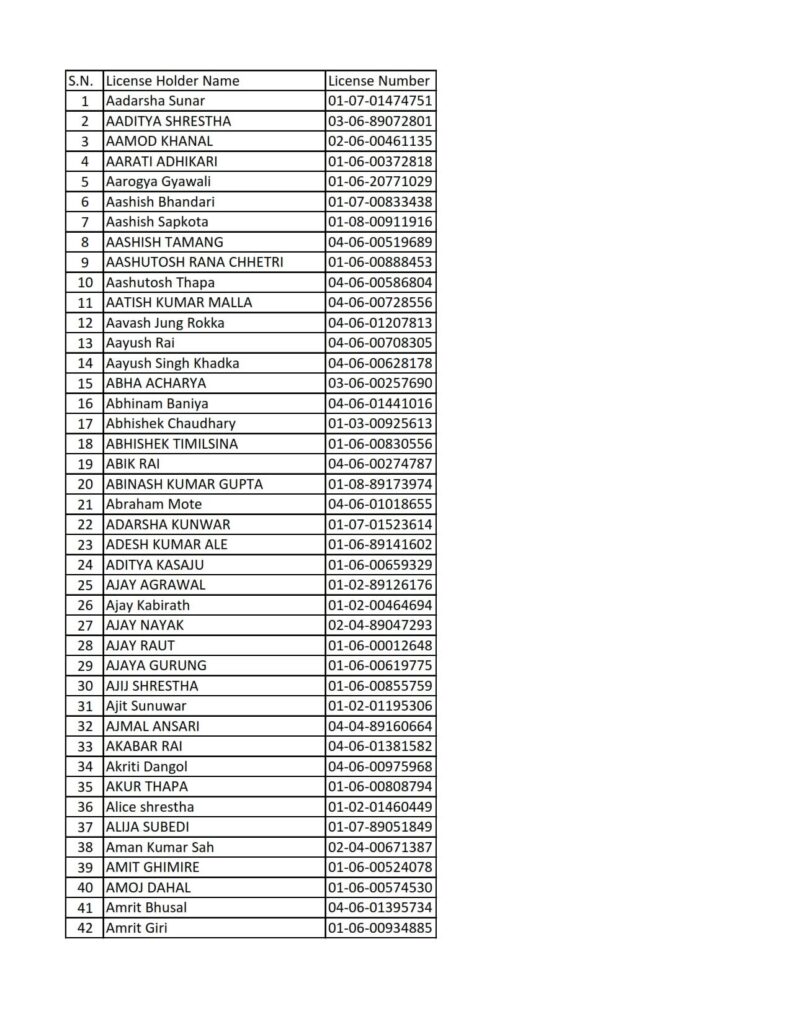
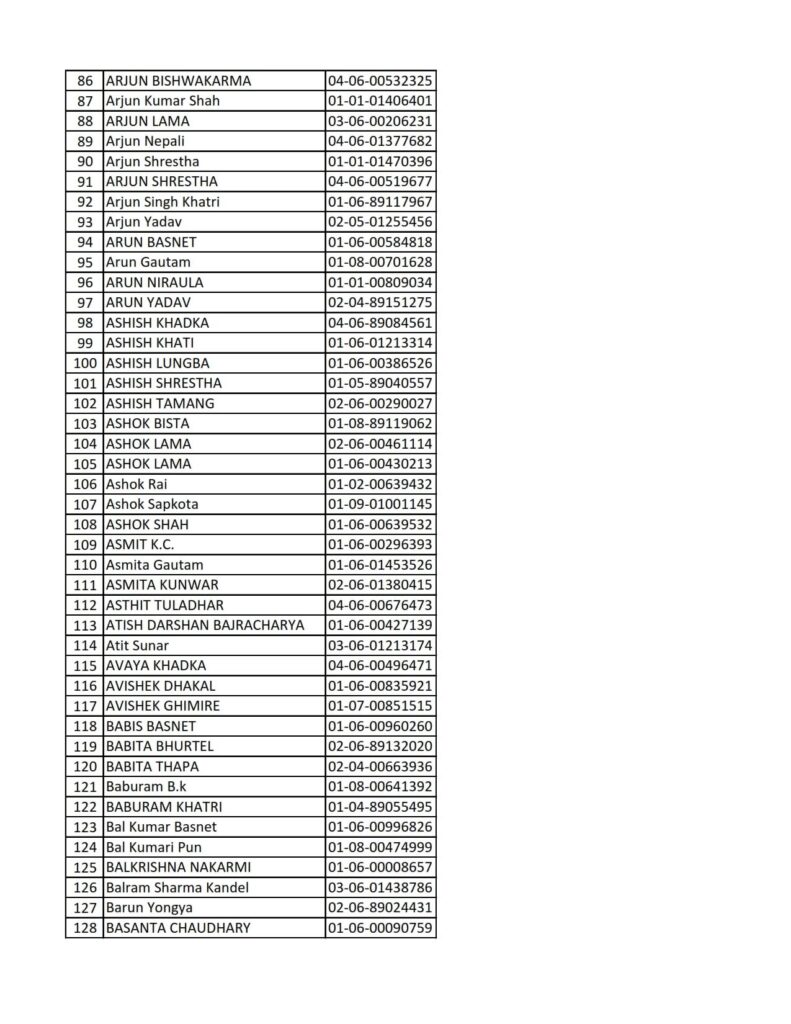
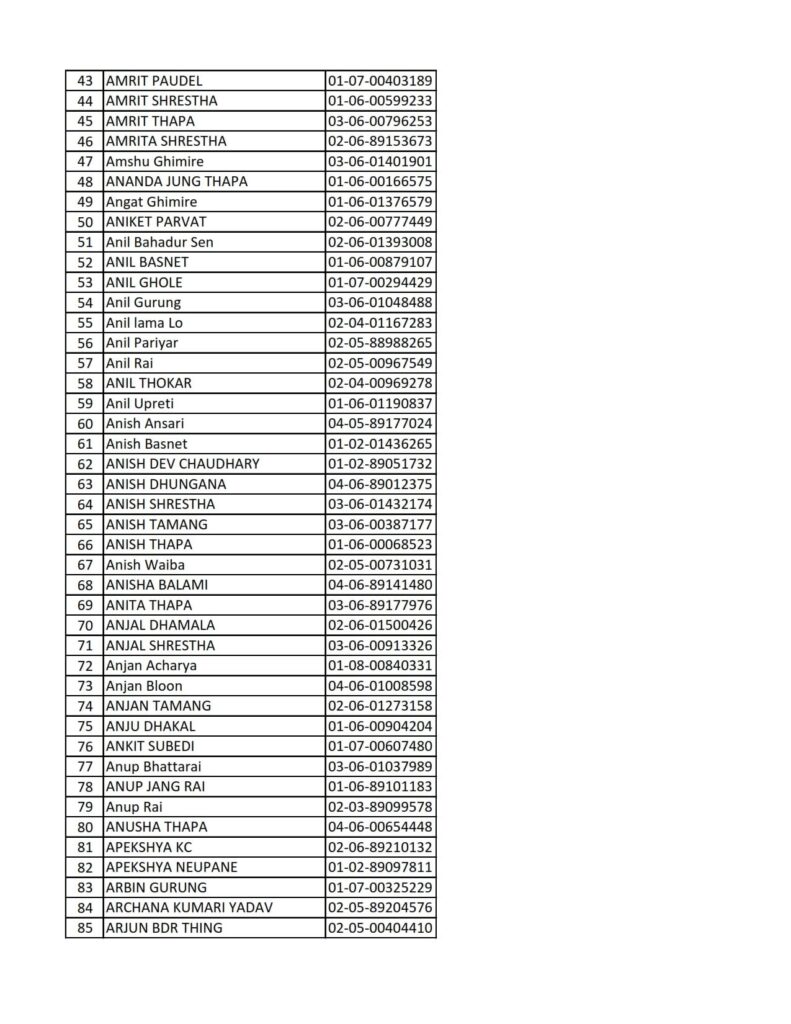
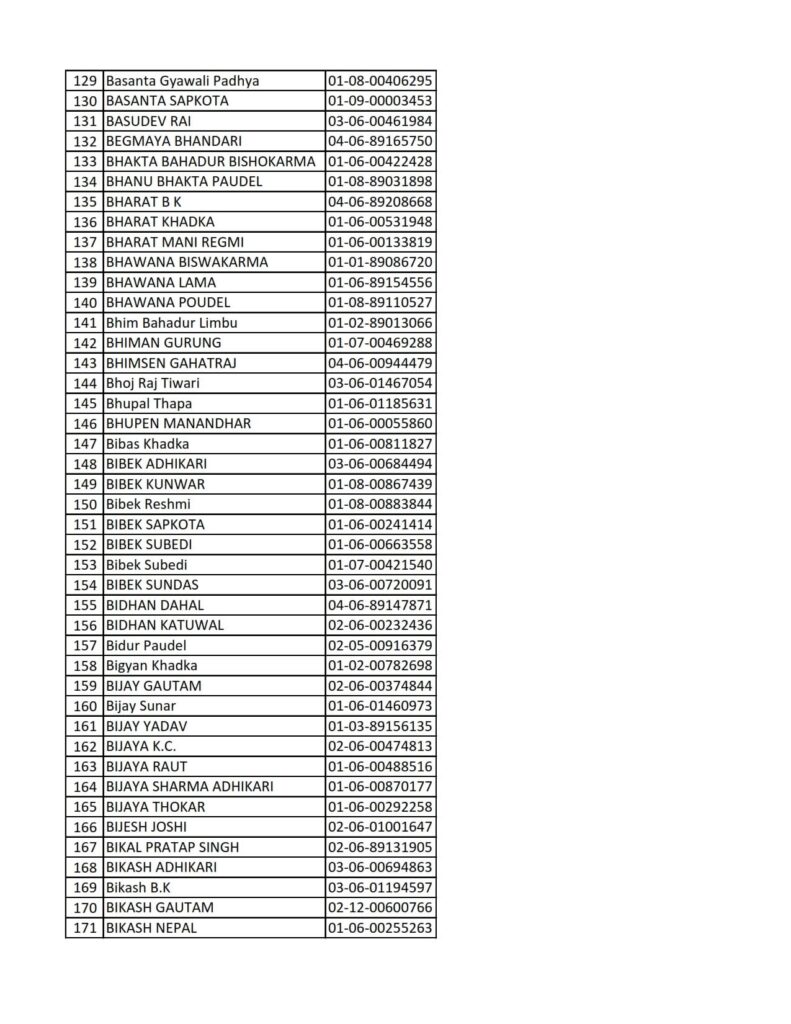
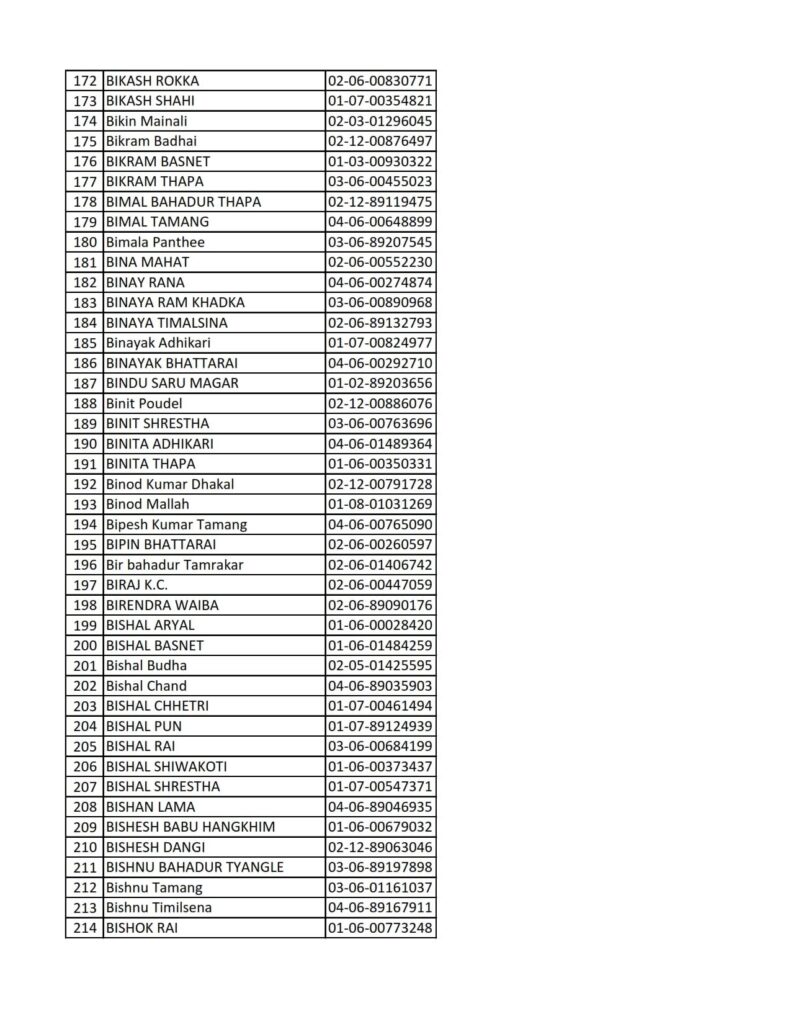
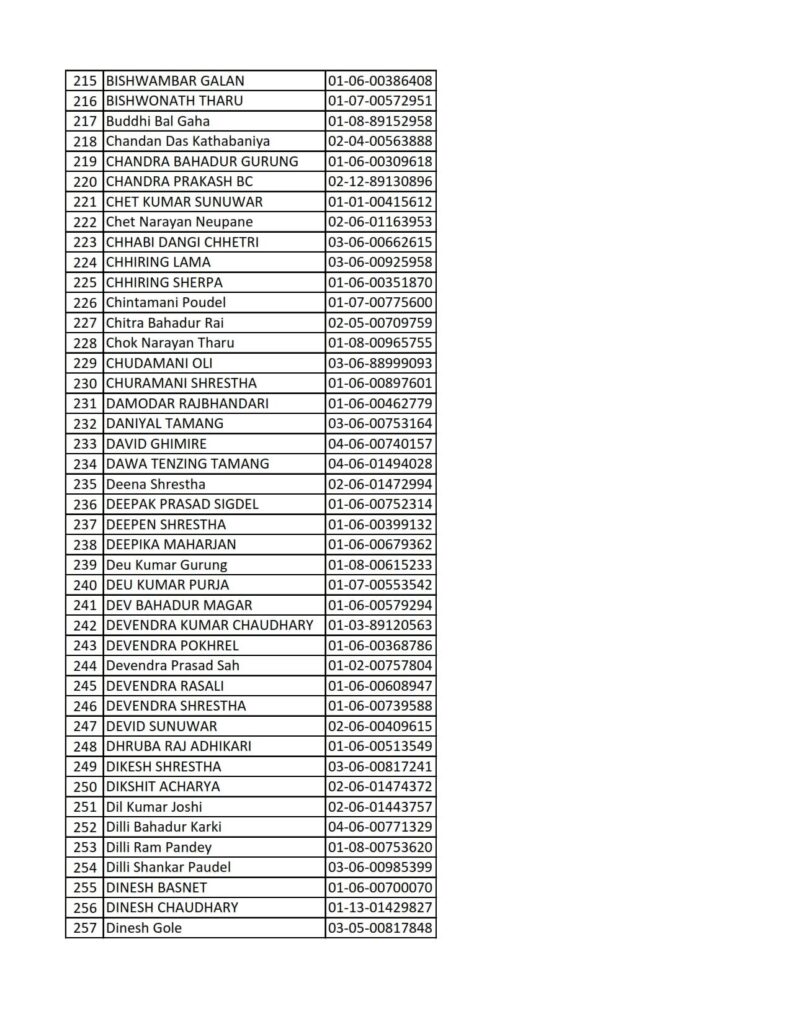

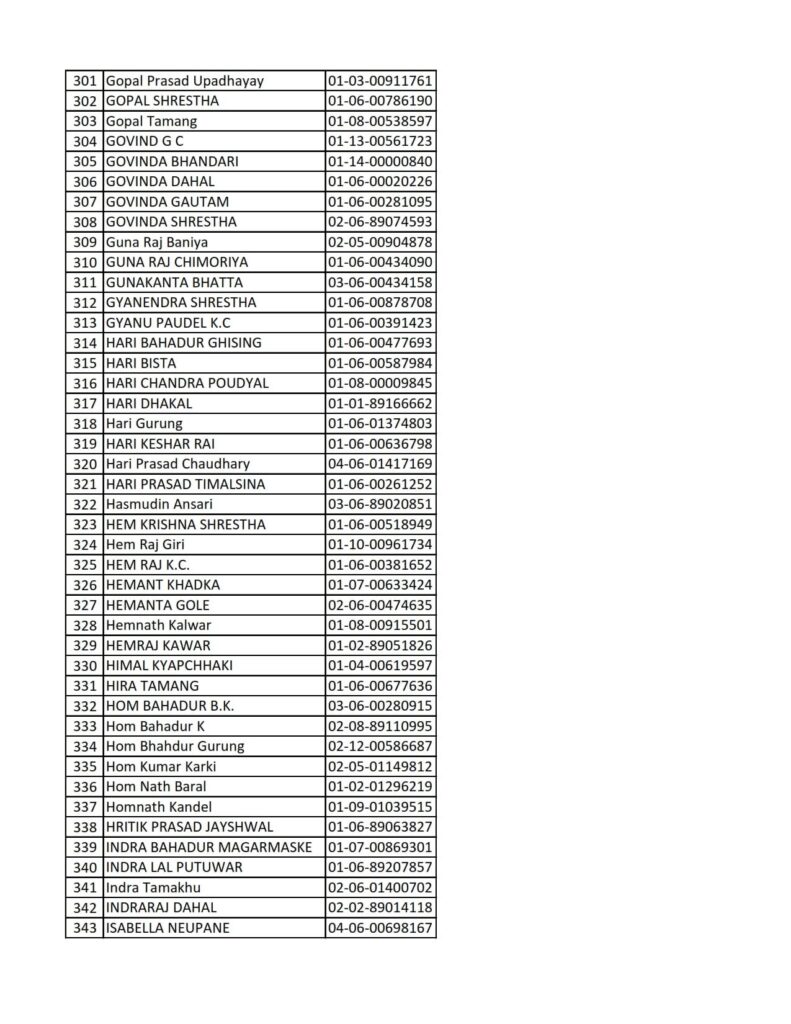
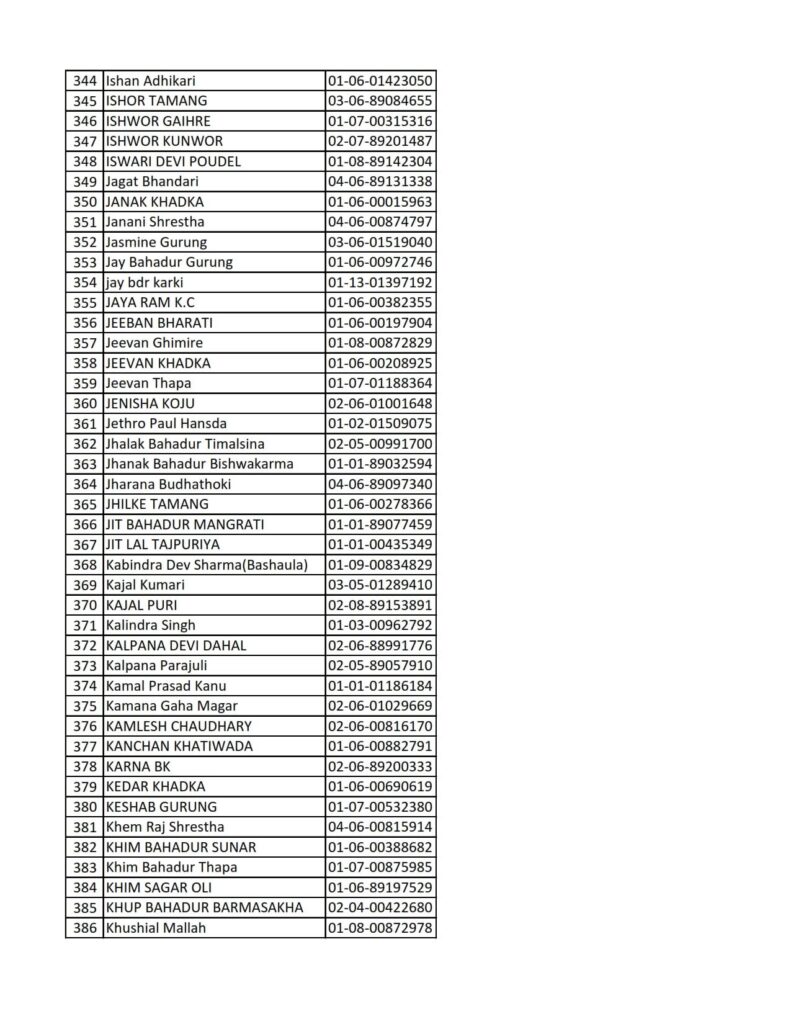


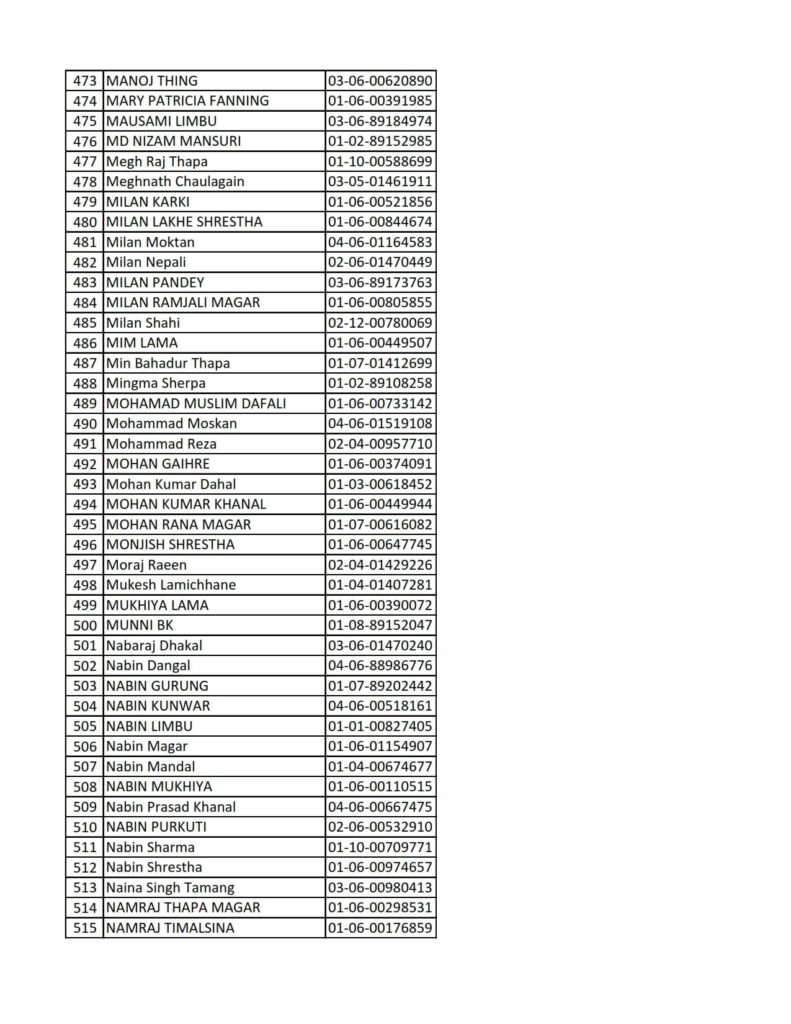

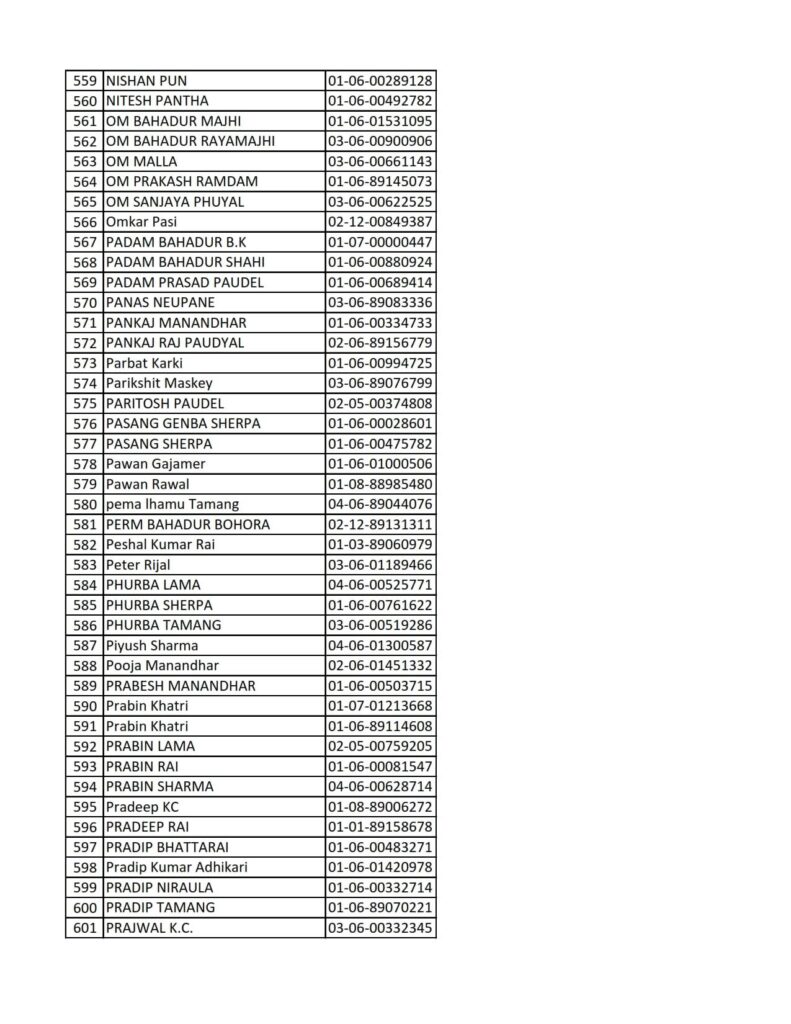

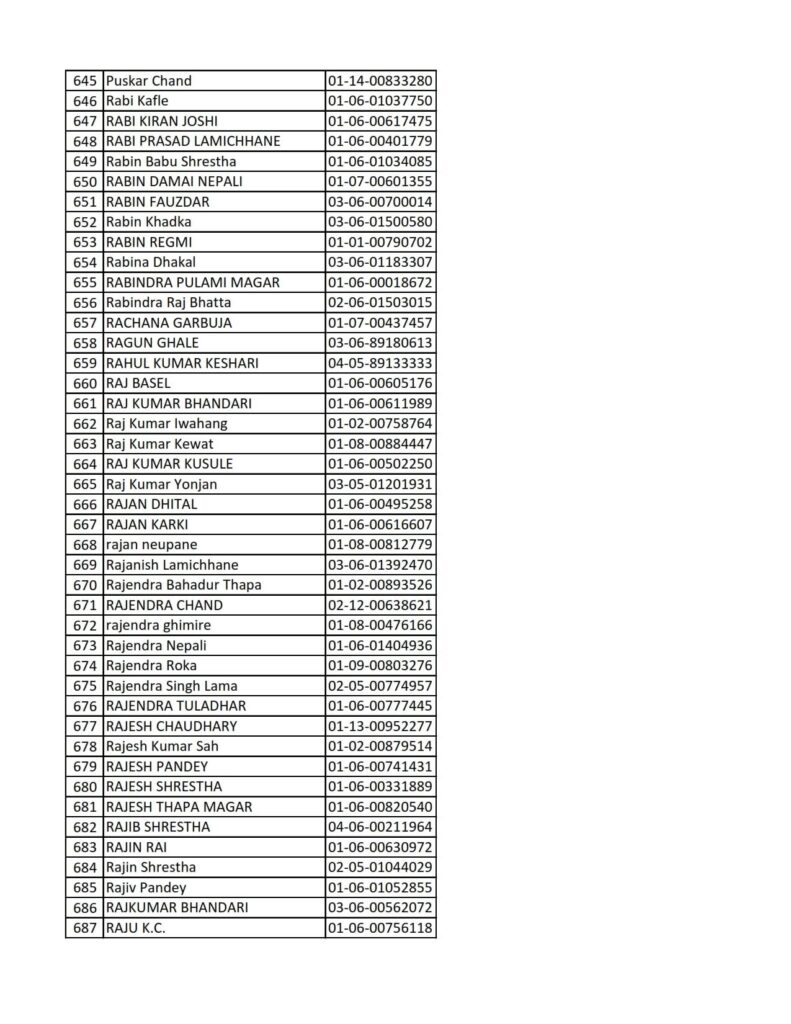
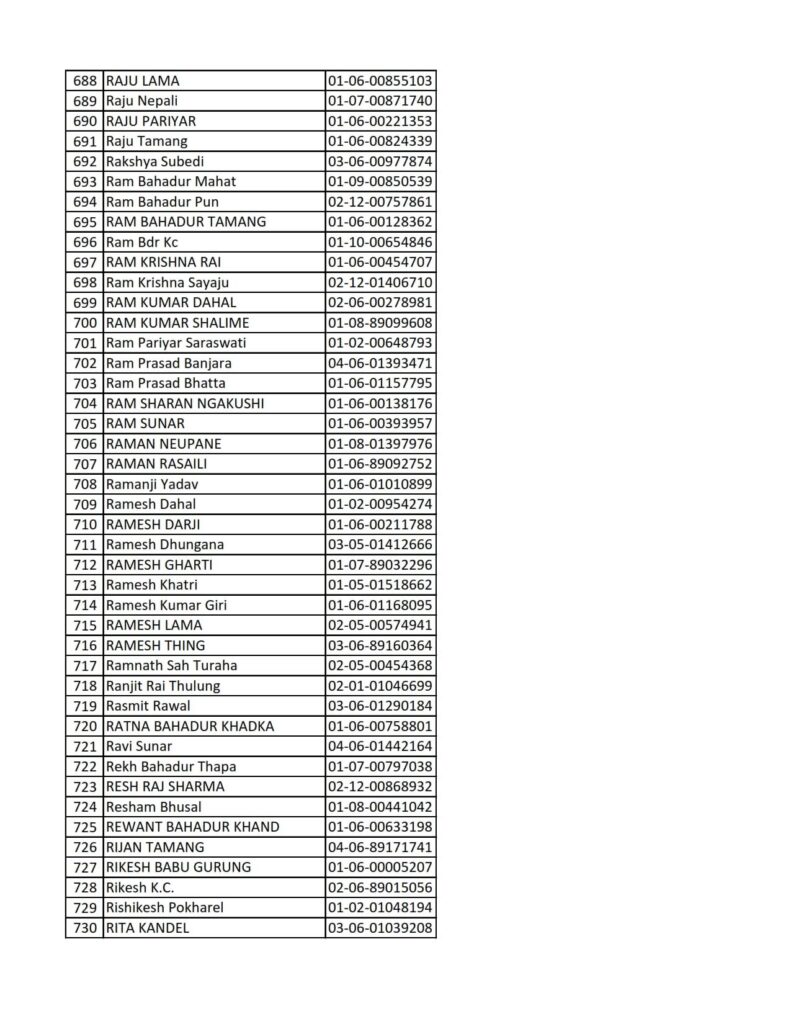
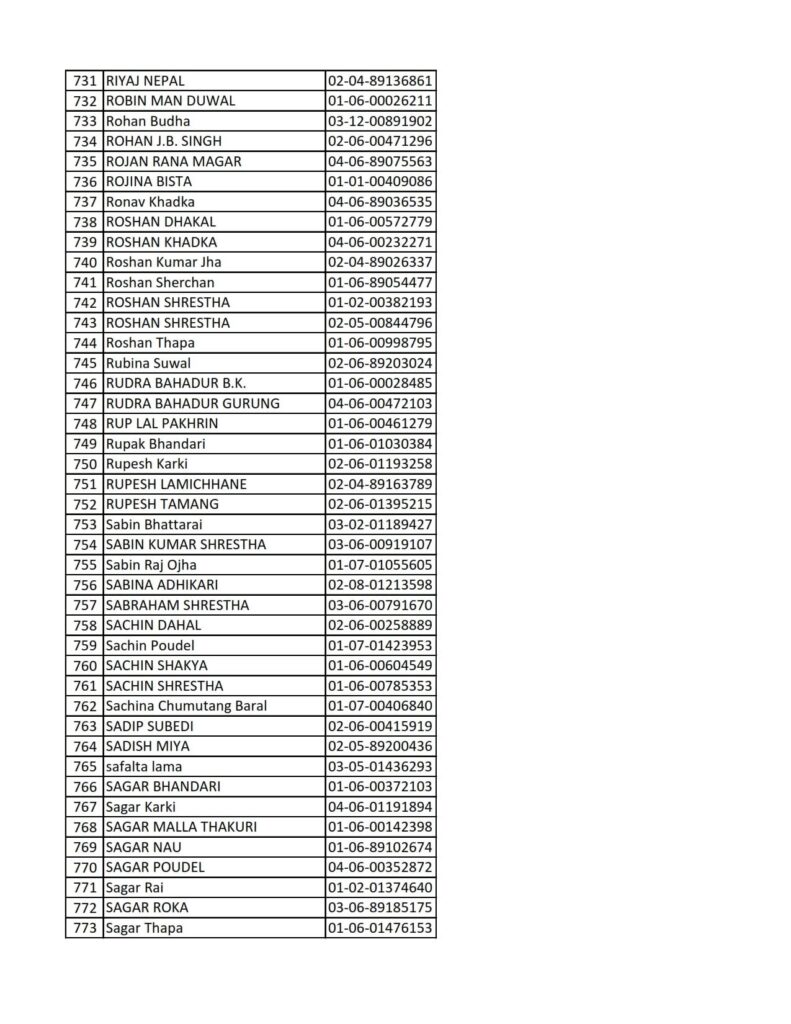

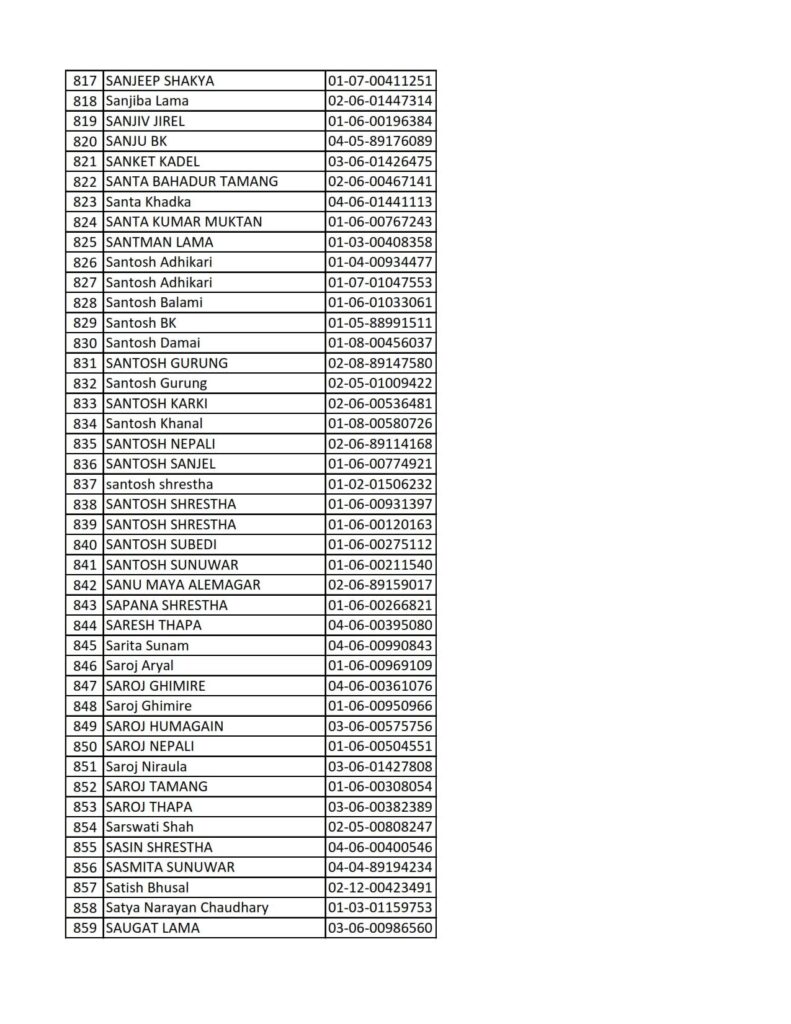
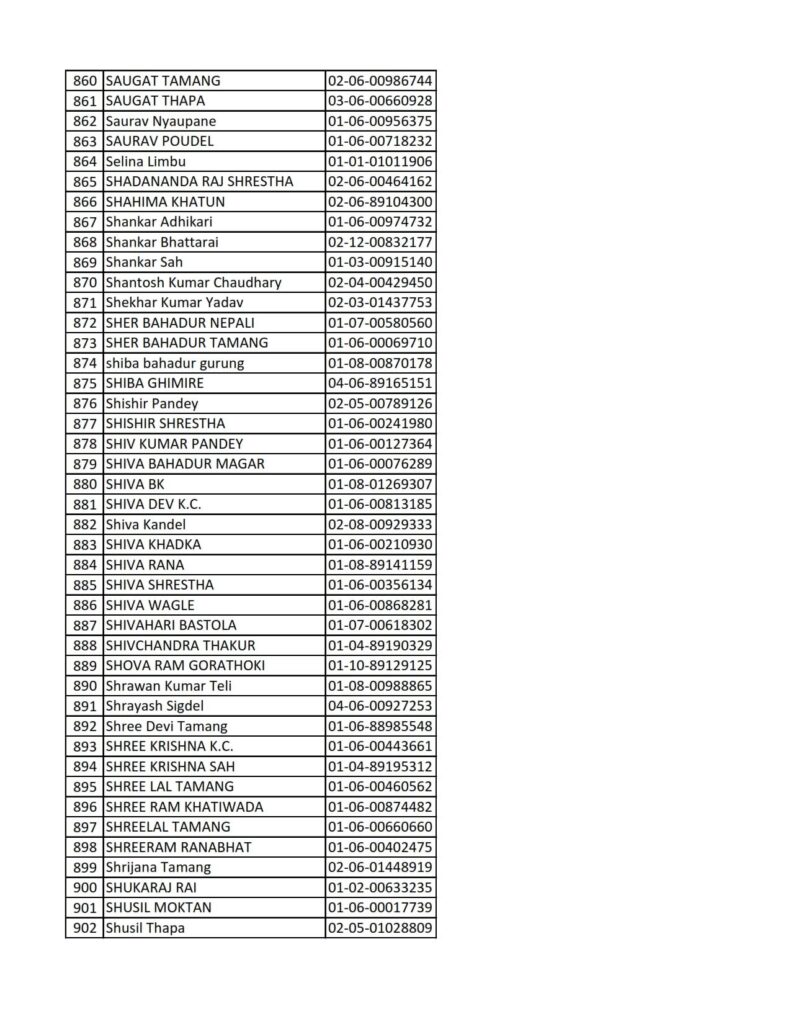
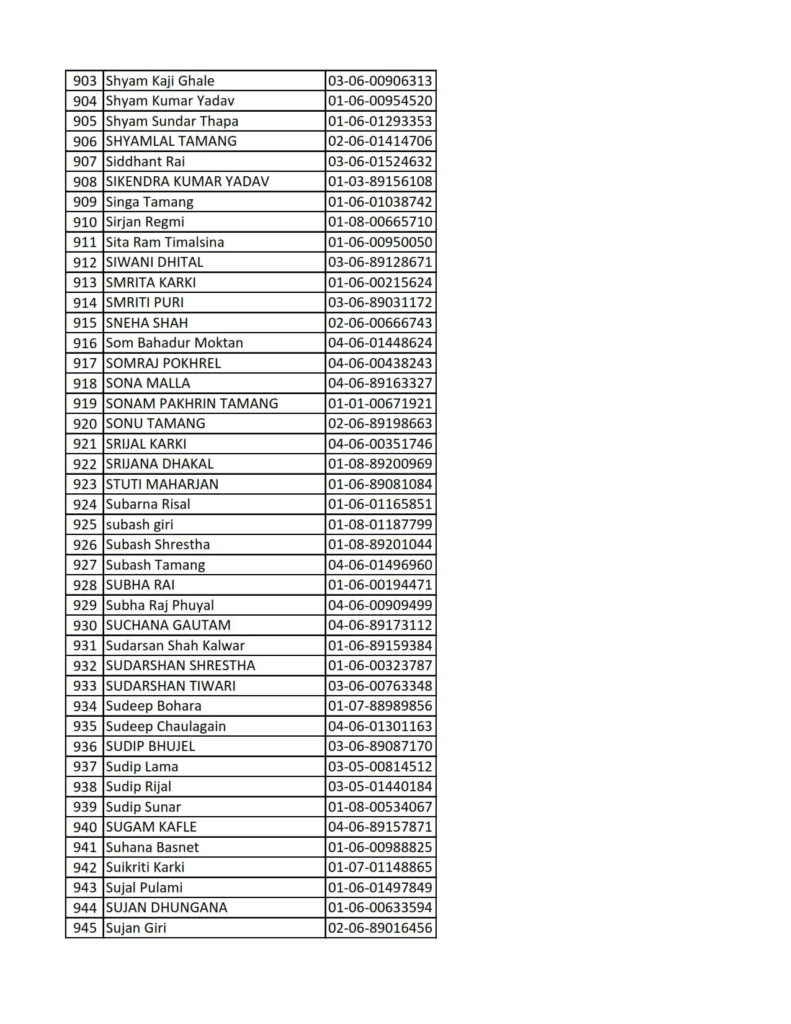
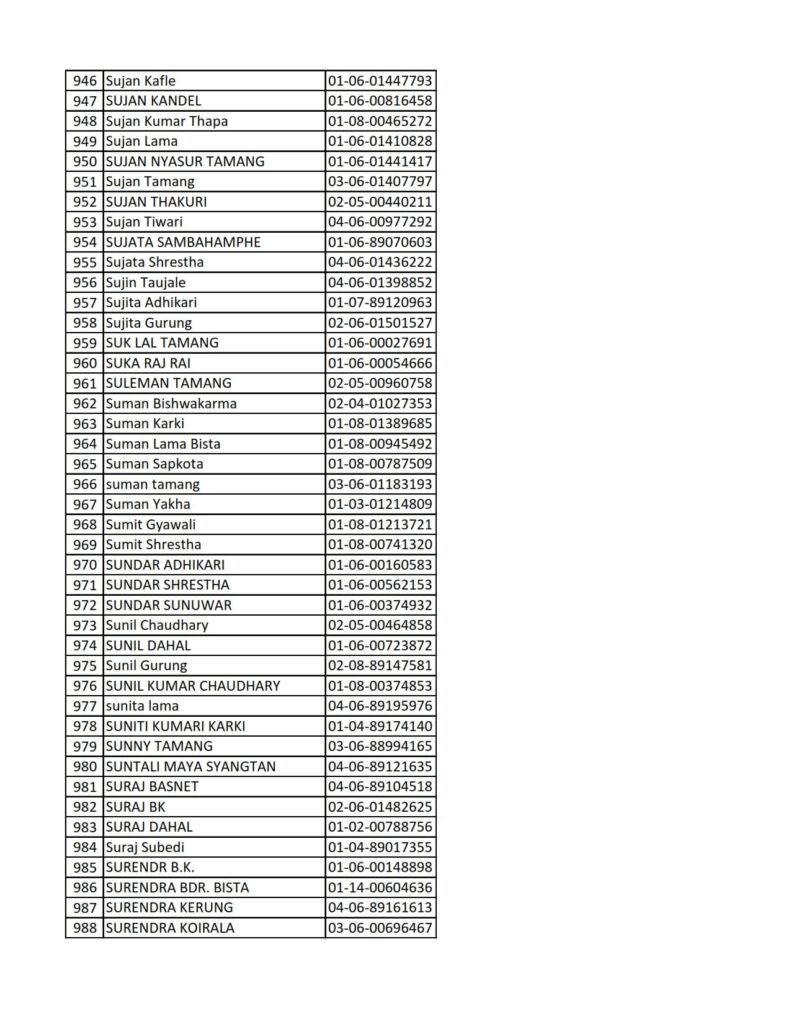

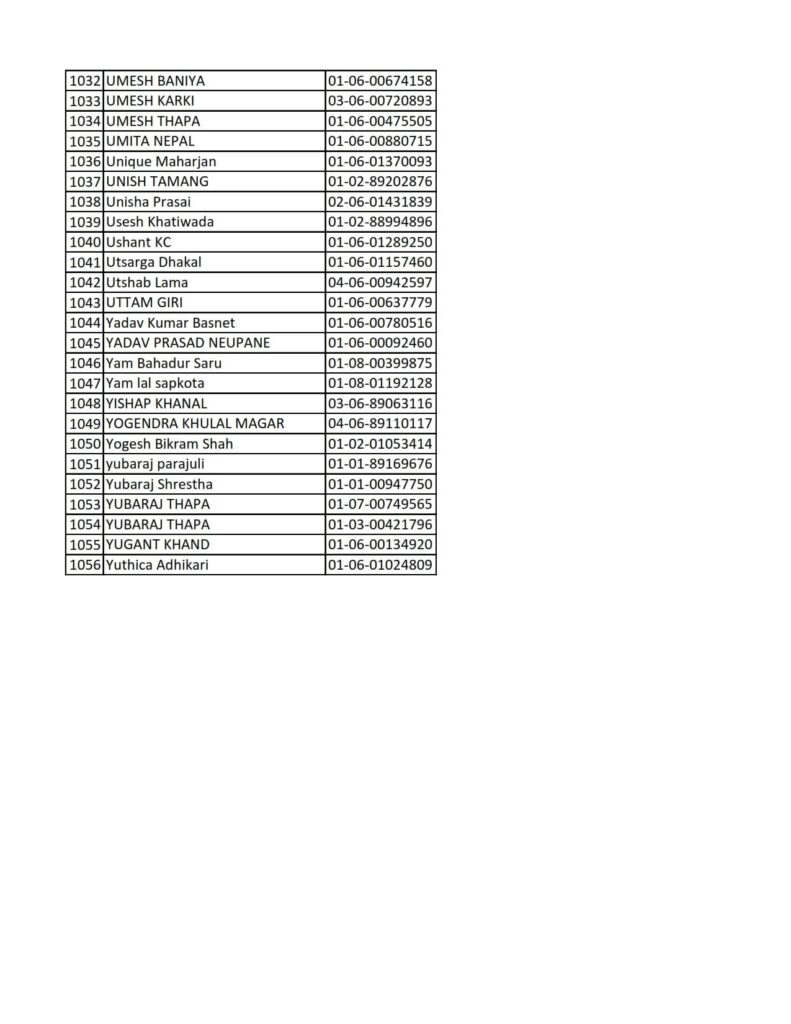

Emergence License Printed list of Today

When is Hanukkah?

Driving License Issued In the Month of Katik
About Author
